World Animal Protection Calls for Enhanced Institutionalized Protection of Animals
As 2025 comes to a close, there are major developments that impact both humans and animals and these lead us into 2026 and beyond. These include the deliberation at the recently concluded Conference of Parties (COP 30) in Belem in Brazil, the Conference On International Trade in Endangered Species (CITES) in Samarkand in Uzbekistan, the National Action Plan on Antimicrobial Resistance 2.0 (NAP-AMR 2.0) announced in India, announcement of the Global Big Cat Summit in India next year, persistent revelations of wildlife trade, concerning reports of treatment of animals in zoos and exploitation of animals for entertainment, fashion and pets.
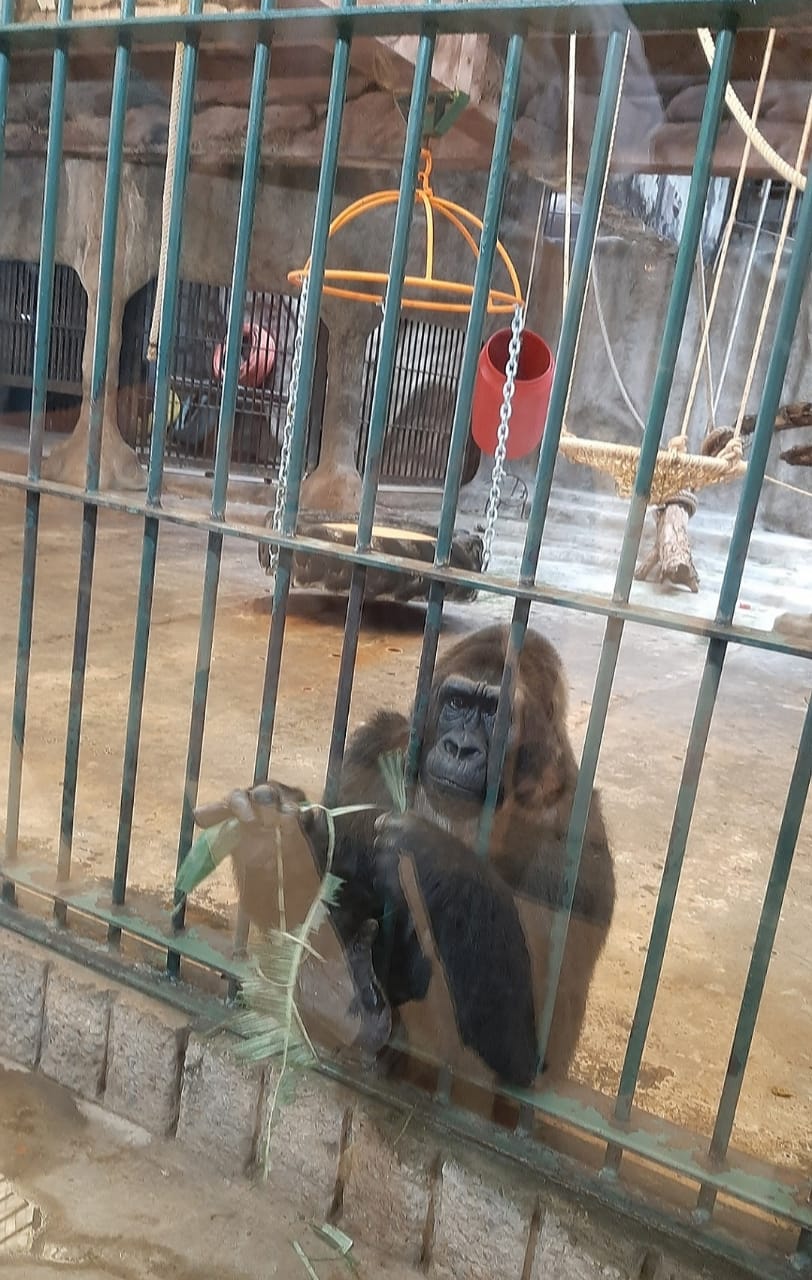 |
Gorilla Bua Noi in Pata Zoo in Bangkok in Thailand Photo credit: Shubhobroto Ghosh
World Animal Protection strongly presented the case against industrial animal agriculture at the COP 30 event, given the evidence that shows widespread animal abuse and environmental damage. It is a matter of continuing concern that industrial agriculture and factory farming are causing massive cruelty to animals by confining them to inadequate spaces, using antibiotics for their husbandry for greater quantities of meat, fish, milk and eggs and are releasing harmful effluents into marine and air ecosystems. With rising awareness on the destructive and counterproductive characteristics of these industries towards environmental pollution and climate change, it is of pressing urgency to tackle their further growth and institute systemic change to mitigate current practices.
The burgeoning global trade in wildlife affects India strongly with a marked rise in the demand for non native exotic pets that are being seized in different parts of the country and also in different parts of the world designated for arrival in India. This is a worrisome trend and graphic visual images have emerged showing captive animals kept in conditions of extreme confinement and enormous cruelty. It is of utmost necessity to recognise that this cruel and counterproductive trade be immediately stopped and international linkages are identified and transnational action is initiated to curb this trade. World Animal Protection has done extensive research on exotic animal pets and is of the strong view that wildlife belongs in the wild and should be cherished there and not exploited for a few greedy people. This point was made very cogently during the recently concluded CITES conference in Samarkand in Uzbekistan.
Wild animals in entertainment present a difficult challenge all over the world, with the resurgence of elephant rides in Corbett Tiger Reserve in Uttarakhand and the continuing spectacle of abuse of elephants in Amer Fort in Jaipur. Tigers are being captivity for tourist photo opportunities at close quarters in many venues in Thailand and several other countries and a very significant number of tourists visit these places and patronise them with tourist revenue and destination guidance. World Animal Protection has an ongoing programme of engaging with tour companies and resorts to take a responsible stance on wildlife tourism by not promoting abusive activities involving wildlife in entertainment. In this regard, World Animal Protection is pleased to have Her Expeditions, Svasara, Indian Wildlife Adventures, Pandav Hotels and Marttik Gardens take the wildlife friendly pledge to promote responsible wildlife tourism in India and beyond. World Animal Protection hopes that the example set by these companies will encourage other groups to follow suit and desist from offering itineraries in their tours and destination guidance to places that exploit wildlife in captivity.
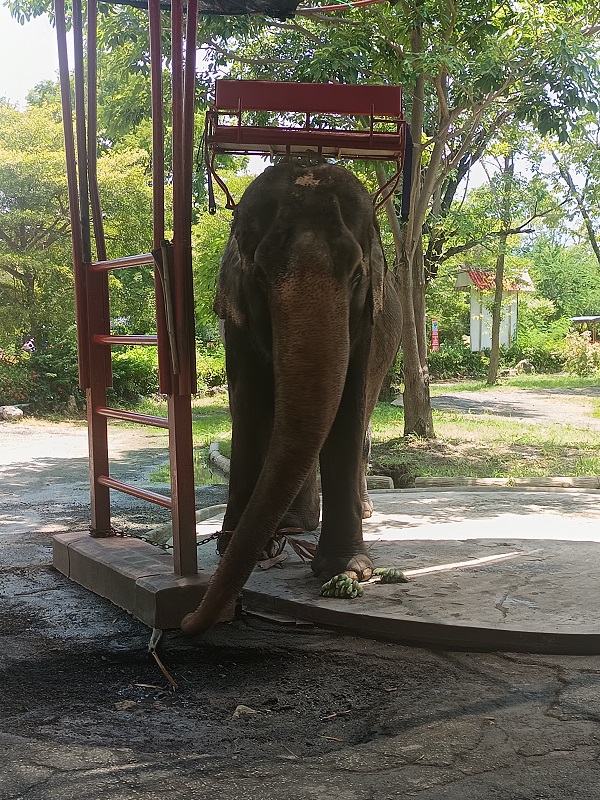 |
Elephant in Samutprakarn Crocodile Farm and Zoo in Bangkok in Thailand Photo credit: Abhishek Shankhwar
World Animal Protection has also engaged with the Prime Minister’s Office in 2025 to raise awareness on the plight of India’s National Heritage Animal and hundreds of schoolchildren from N K Bagrodia School and Cambridge International School have written letters to the Prime Minister urging him to ban elephant rides in India. Endeavours have also been taken to engage with the Rajasthan Forest Department to obtain the latest update on the status of the riding elephants of Amer Fort in Jaipur. “World Animal Protection is calling upon all stakeholders as well as tourists to take a pledge not to ride elephants in any venue,” says Gajender Kumar Sharma, Country Director, World Animal Protection in India.
10 December, 2025 is World Human Rights Day and International Animal Rights Day. It is not a coincidence that Human Rights Day and Animal Rights Day fall on the same date, 10 December, the date was intentionally chosen by animal rights advocates to highlight the connection between human rights and animal rights and to emphasize that all sentient beings deserve respect and protection from suffering and torture.
Human Rights Day commemorates the date in 1948 when the United Nations General Assembly adopted the Universal Declaration of Human Rights, a foundational document in international human rights law and activism.
International Animal Rights Day (or World Animal Rights Day) was established in 1998, on the 50th anniversary of the Universal Declaration of Human Rights, to call for the recognition of a universal declaration for animal rights, modelled on the principles of the human rights declaration.
Across the globe, billions of human beings and animals are suffering in silence, because of systemic injustice.
On this day, we call for all living creatures, humans and non humans, to be treated respectfully and with compassion, with institutional safeguards put in place against their abuse.
For more information, please contact: Gajender Kumar Sharma: gajenderksharma@worldanimalprotection.org.in.
Phone: 9313333283